


Our Visit to Thorpe Primary School
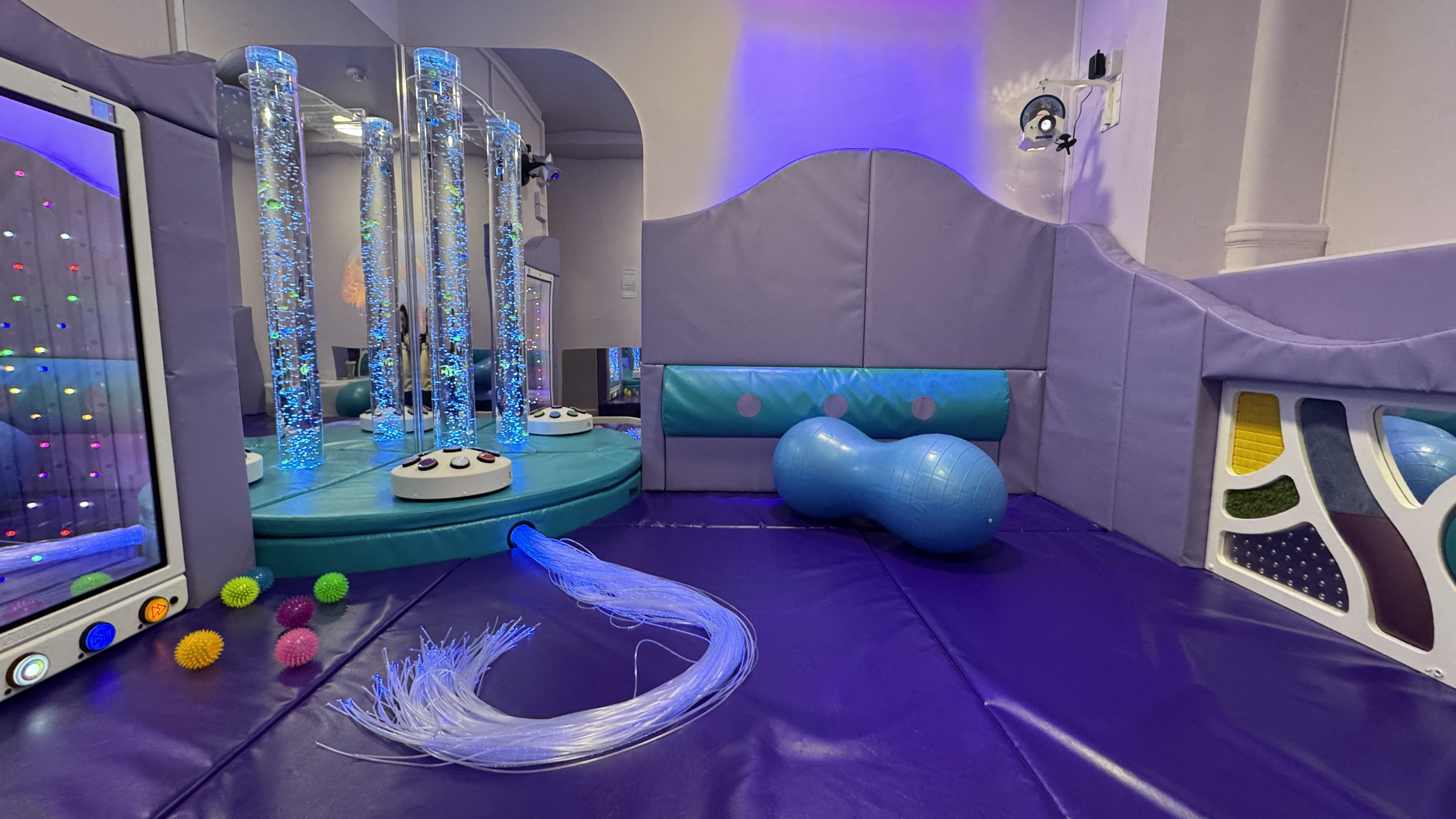
We went to Thorpe Primary School to chat about the impact of their Snoezelen® installation
What part of the new sensory room do the children like?
Children love the Bubble Tube, Multifinity Panel, and projection system, finding them calming and engaging. The eight-button controller adds an interactive touch with customisable lights and sounds.
Are there any groups or our neurodivergent students that are benefited significantly?
We have many children who are neurodiverse but undiagnosed or awaiting diagnosis. They attend sessions, balancing this with anxious children who use the space for support. It’s a quiet area also used to reward good behavior, encouraging positive reinforcement. Neurodiverse children might bring a friend or special item. We aim to cater to various needs.
Have students expressed their thoughts or feelings about the sensory room? If so, what have they said?
We still get the wow factor. We start with the room dark and gradually light it up. You can see their amazement. It’s a popular, motivating space for different groups. It’s great, and I love it. We’re incredibly lucky and grateful!
How has the sensory room supported your staff in working with students? Has it reduced staff stress or improved their ability to manage challenging situations?
Our TA support focuses on TMH needs, leaving learning and cognitive needs underserved. The sensory room aids emotional regulation and supports ADHD pathways, proving invaluable daily.
Have the staff received the right training for using the sensory room?
Our staff underwent training on the effective use of a sensory room. The installer provided a product overview for each piece of equipment, which was extremely beneficial to us all.
What’s the average duration of time you use the room and how is it used?
We can’t set a specific time for its use, but typically it’s about 20 minutes. It’s used before tests, after lunch, during meltdowns, and other times. We have scheduled slots for children with sensory profiles and passports. We avoid using it when children are highly unregulated, instead using it when emotions start to rise.
Have parents and guardians shared any feedback on the sensory room?
If we’re holding review meetings regarding a child who uses it regularly, we can say, “Oh, come and look at it.” We provide newsletters and other materials, so they are informed about it.
Would you recommend a Sensory room in other schools to other schools?
Absolutely. The value has been invaluable, especially since the Coronavirus. It has helped children readjust to normality after becoming socially withdrawn during the lockdown.
What part of the new sensory room do the children like?
Children love the Bubble Tube, Multifinity Panel, and projection system, finding them calming and engaging. The eight-button controller adds an interactive touch with customisable lights and sounds.
Are there any groups or our neurodivergent students that are benefited significantly?
We have many children who are neurodiverse but undiagnosed or awaiting diagnosis. They attend sessions, balancing this with anxious children who use the space for support. It’s a quiet area also used to reward good behavior, encouraging positive reinforcement. Neurodiverse children might bring a friend or special item. We aim to cater to various needs.
Have students expressed their thoughts or feelings about the sensory room? If so, what have they said?
We still get the wow factor. We start with the room dark and gradually light it up. You can see their amazement. It’s a popular, motivating space for different groups. It’s great, and I love it. We’re incredibly lucky and grateful!
How has the sensory room supported your staff in working with students? Has it reduced staff stress or improved their ability to manage challenging situations?
Our TA support focuses on TMH needs, leaving learning and cognitive needs underserved. The sensory room aids emotional regulation and supports ADHD pathways, proving invaluable daily.
Has it reduced some of your stress and helped you manage any challenging situation?
Yes, it does. We avoid using it when children are highly stimulated to prevent overreaction. For example, an ADHD child who turned tables calmed down when we suggested the sensory room. It provides comfort and reduces stress.
Our Visit to Thorpe Primary School
Here's the full interview below
What is The Children’s favourite parts of the sensory room
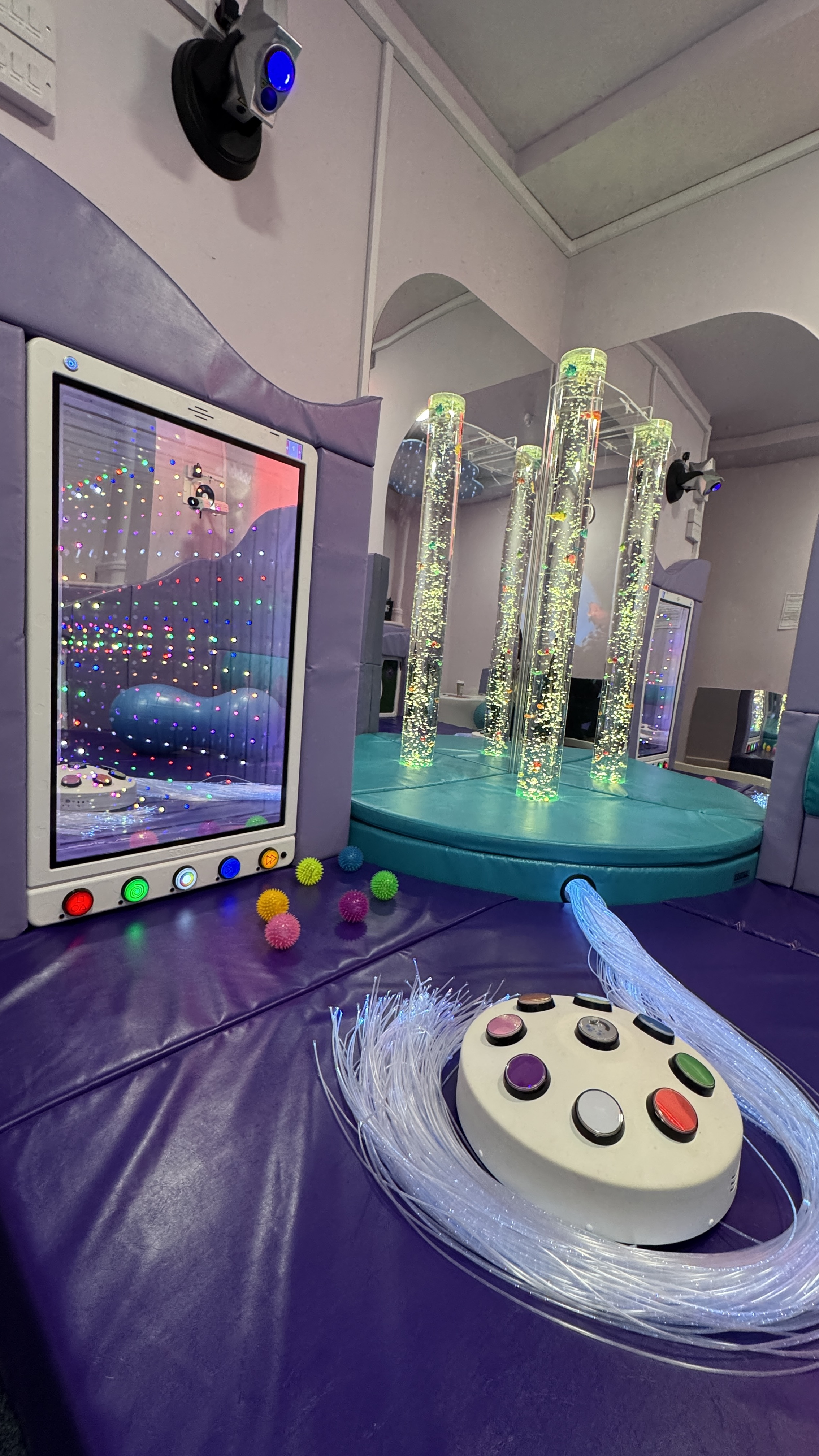
Their favourite features are the Bubble Tube, where they sit and become mesmerised by it. They do this constantly. It's incredibly relaxing. Additionally, they enjoy the projection.
They adore the Multifinity panel. Gazing at it, they find it somewhat hypnotic. They appreciate the sound feedback and the lights of the panel. It is a fantastic tool to calm the students when they’re about to get agitated.
You can programme the eight-button controller to produce sounds as you press the buttons and alter the colours.
When the bubbles in the bubble tube are activated, the children delight in watching the bubbles flow and the balls move. Thus, this experience is quite calming and regulating.
Are there any groups or our neurodivergent students that are benefited significantly?
I suppose, like many schools, we find ourselves in a situation where we have a lot of children whom we anticipate are neurodiverse but who haven't been diagnosed or are on a waiting list for diagnosis. Many of those children have scheduled slots to attend sessions, but they also try to balance this with my children, who are quite anxious and often relate it to anxiety and other social, emotional, and mental health (SEMH) needs as a quiet space. It's a quiet area. We also use it for reward times for children who have made good choices because, as we mentioned, we want to encourage everyone. It's about positive reinforcement as well. If you use it after achieving something great, it becomes a wonderful reward. Some neurodiverse children might bring a friend along, who could be anyone or anything—even a special teddy. We aim to use it in various ways to cater to this range of needs. Yes, indeed.
What is The Children’s favourite part of the sensory room
Their favourite features are the Bubble Tube, where they sit and become mesmerised by it. They do this constantly. It's incredibly relaxing. Additionally, they enjoy the projection.
They adore the Multifinity panel. Gazing at it, they find it somewhat hypnotic. They appreciate the sound feedback and the lights of the panel.
It is a fantastic tool to calm the students when they’re about to get agitated.
You can programme the eight-button controller to produce sounds as you press the buttons and alter the colours.
When the bubbles in the bubble tube are activated, the children delight in watching the bubbles flow and the balls move. Thus, this experience is quite calming and regulating.
Are there any groups or our neurodivergent students that are benefited significantly?
I suppose, like many schools, we find ourselves in a situation where we have a lot of children whom we anticipate are neurodiverse but who haven't been diagnosed or are on a waiting list for diagnosis. Many of those children have scheduled slots to attend sessions, but they also try to balance this with my children, who are quite anxious and often relate it to anxiety and other social, emotional, and mental health (SEMH) needs as a quiet space. It's a quiet area. We also use it for reward times for children who have made good choices because, as we mentioned, we want to encourage everyone. It's about positive reinforcement as well. If you use it after achieving something great, it becomes a wonderful reward. Some neurodiverse children might bring a friend along, who could be anyone or anything—even a special teddy. We aim to use it in various ways to cater to this range of needs. Yes, indeed.
Have students expressed their thoughts or feelings about the sensory room? If so, what have they said?
We still get the wow factor. When they walk in, we leave it all dark and then gradually turn it on, bit by bit. You can see, not necessarily in words, but through their faith, that whole phase line to pun. It's a popular place for all those different groups, motivating some children to improve. Yes, it's great, and I love that. It's nice that it's there for them. We are incredibly lucky... and grateful!
How has the sensory room supported your staff in working with students? Has it reduced staff stress or improved their ability to manage challenging situations?
We have TA support and a reasonable amount of T support, but all our TA support is currently focused on children with their TMH needs. Consequently, children with learning and cognitive needs are somewhat underserved because they are safe and quiet. However, we have many children who still require assistance, whose behaviour isn't secure. This is yet another strategy in our discussions aimed at supporting children with emotional regulation, and the room is perfect for that.
Yes. Some of our children who are on the ADHD pathway either engage in sensory circuits in the morning or use the sensory room, which again helps to broaden their window of tolerance, allowing them to access support more effectively. On a day-to-day basis, this has proven invaluable.
Has it reduced some of your stress and helped you manage any challenging situation?
Yes, it does. As I mentioned, we try to avoid using it when children are at their most heightened, because, for example, someone might receive more stimulation than they need. You don’t know how they might react.
We’ve had one child diagnosed with ADHD who has turned tables, literally, both the legs and tops of them. But we could say, 'Come on, let’s have some quiet time. Let’s go to the sensory room.' Only when we said, 'Let’s go to the sensory room,' did he realise that’s where we intended to go, and he calmed down, reducing that stress after almost a recuperation period. The sensory room can provide comfort for someone.
Have students expressed their thoughts or feelings about the sensory room? If so, what have they said?
We still get the wow factor. When they walk in, we leave it all dark and then gradually turn it on, bit by bit. You can see, not necessarily in words, but through their faith, that whole phase line to pun. It's a popular place for all those different groups, motivating some children to improve. Yes, it's great, and I love that. It's nice that it's there for them. We are incredibly lucky... and grateful!
Staff training?
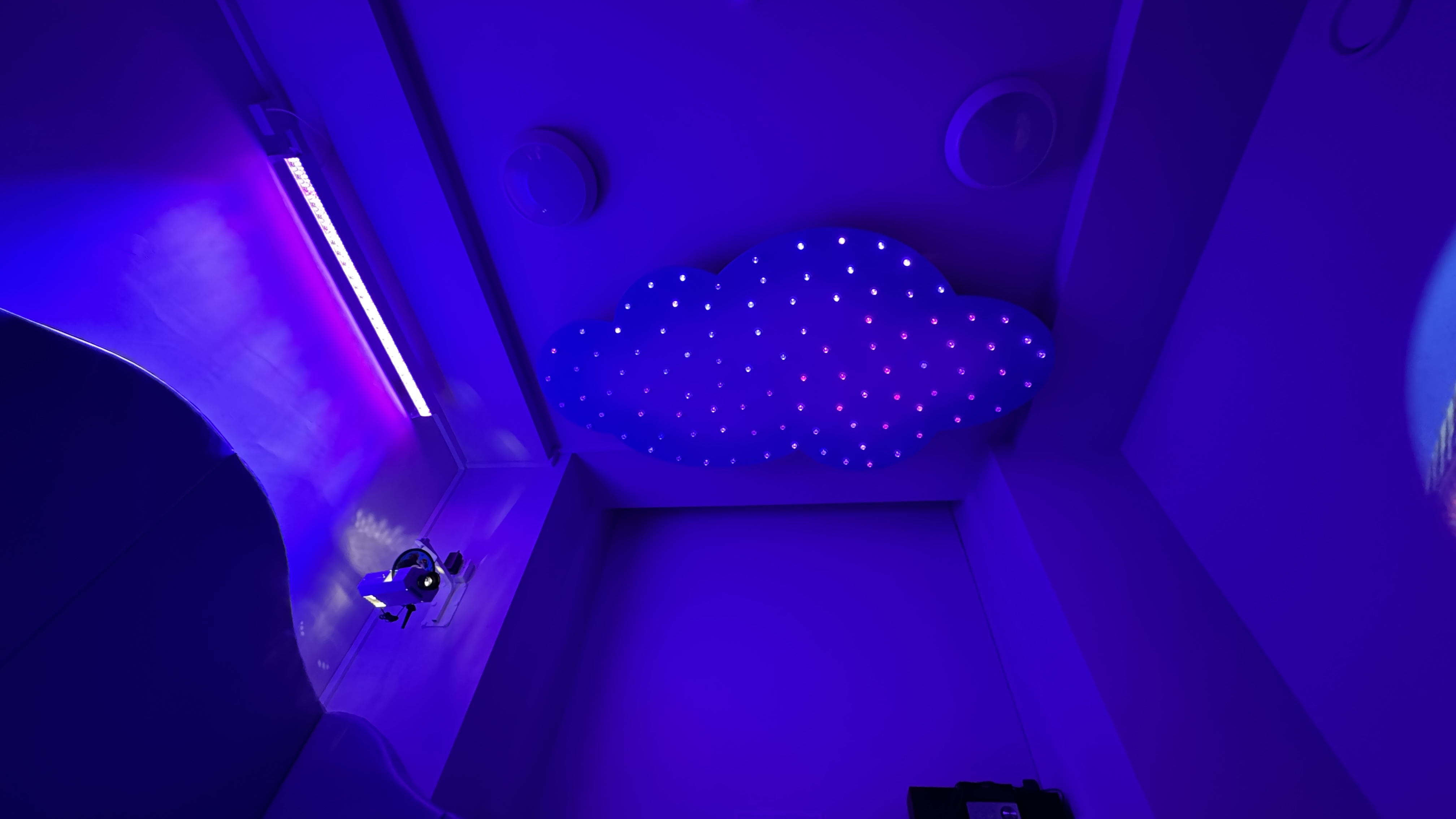
Our staff underwent training on the effective use of a sensory room. The installer, Dan Trickett, provided a product overview for each piece of equipment, which was extremely beneficial to us all.
What's the average duration of time you use the room and how is it used?
We can't put a time scale on it. On a planned day, it's probably about 20 minutes or so. On average, is it used more specifically before tests or exams, after lunch, during meltdowns, and at other times? I consider break times following lunch. First thing in the morning, after breaks, and after lunch are likely more incidental.
We have timetable slots for some children, so those who need it often have a sensory profile and a sensory passport, and we then use the sensory room to support those sensory needs. We try to avoid using it when children are at their most unregulated. Instead, we use it as a step when we can see emotions beginning to bubble up.
Is there anything you would change if you had to?
No, the children are receptive and enjoy all the equipment for various reasons. At one moment, they might be more interested in the bubble tube; at another, they could be captivated by the electrical panel, and so on.
It has been a fantastic space. Society generally makes us more anxious or aware of our anxiety. Yes, this is why I am grateful we have a sensory room.
Have parents and guardians shared any feedback on the sensory room?
If we're holding review meetings for a child who uses it regularly, we can say, "Oh, come and look at it." We also provide newsletters and other materials so they are informed about it.
Would you recommend a Sensory room in other schools to other schools?
Absolutely. There's no question. Indeed, I would, and the value it has provided us has been invaluable. It has been particularly beneficial, especially since the Coronavirus. It has helped the children readjust to ‘normality’ because some of them had become socially withdrawn during the lockdown.
For your very own sensory room, get in touch now.